 Image 1 of 1
I have called Hospice only two times in my life. The first was several months after my son Andrew was born. Regarding end-of life care for my newborn son.
The second time I called Hospice occurred several months after my son Andrew died. To ask if anyone could use the equipment Andrew had left behind.
Twenty-four years after the first call.
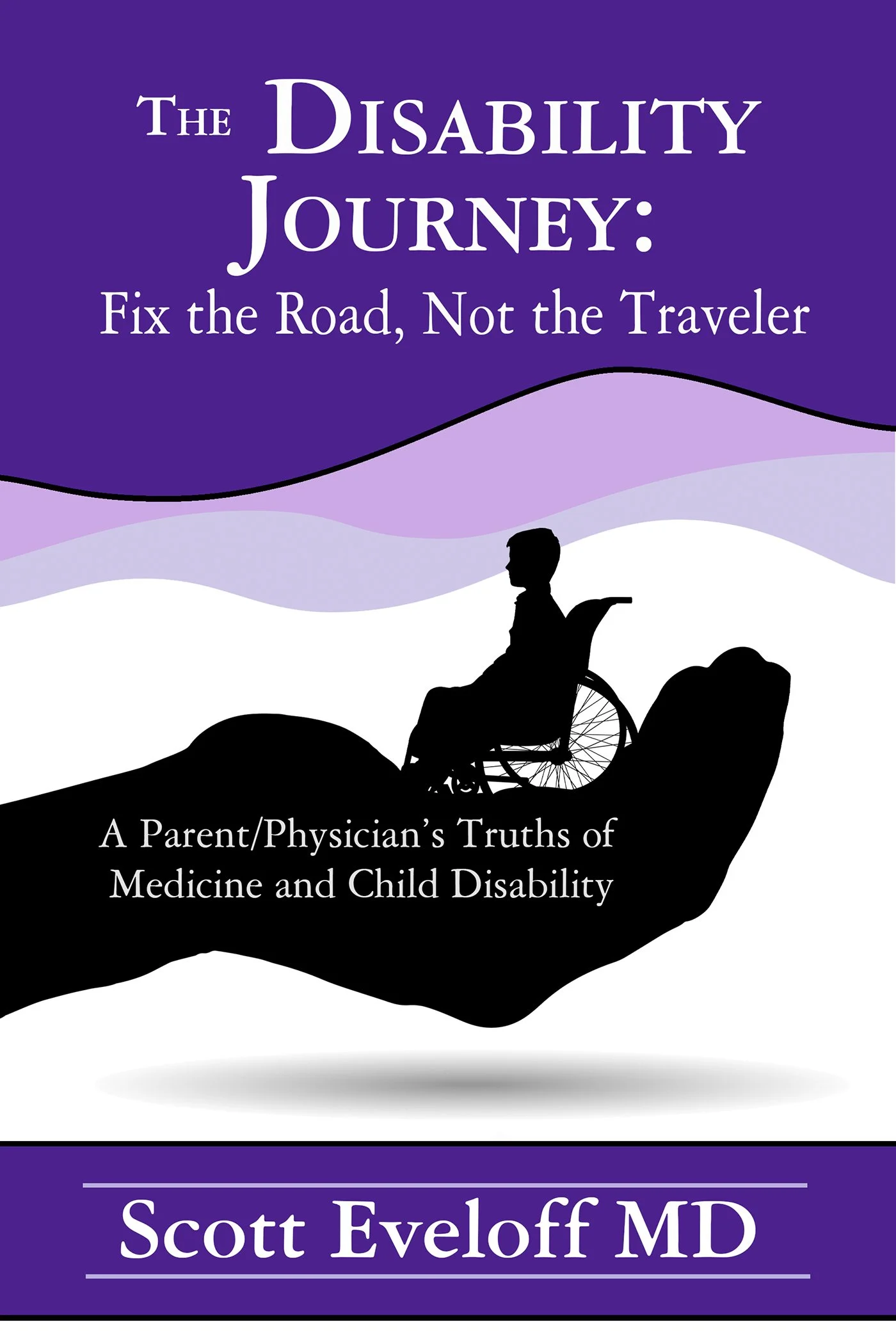
Thus begins an unflinching account of a child’s and young adult’s journey through the turmoil of devastating disease. Andrew survived a roller-coaster of every type of illness nature could throw at him, from terminal to critical to hopeful to chronically disabled and finally to terminal once again. Through it all Andrew simply enjoyed life and viewed it as limitless with all possibilities open to him regardless of the overwhelming illness and procedures he faced. That attitude, the unique perspective of parents who were also physicians, and the truly unbelievable events both good and bad at the hands of nature, the medical establishment, and society all combine to offer a story as empowering as it is unbelievable. The family’s experiences and rare perspectives offer relatable empowerment and education for families caught up in similar circumstances. Such experiences are also intended as a guide, offering critical revelation and direction for healthcare providers who hold so much power through their words and actions.
I have called Hospice only two times in my life. The first was several months after my son Andrew was born. Regarding end-of life care for my newborn son.
The second time I called Hospice occurred several months after my son Andrew died. To ask if anyone could use the equipment Andrew had left behind.
Twenty-four years after the first call.
Thus begins an unflinching account of a child’s and young adult’s journey through the turmoil of devastating disease. Andrew survived a roller-coaster of every type of illness nature could throw at him, from terminal to critical to hopeful to chronically disabled and finally to terminal once again. Through it all Andrew simply enjoyed life and viewed it as limitless with all possibilities open to him regardless of the overwhelming illness and procedures he faced. That attitude, the unique perspective of parents who were also physicians, and the truly unbelievable events both good and bad at the hands of nature, the medical establishment, and society all combine to offer a story as empowering as it is unbelievable. The family’s experiences and rare perspectives offer relatable empowerment and education for families caught up in similar circumstances. Such experiences are also intended as a guide, offering critical revelation and direction for healthcare providers who hold so much power through their words and actions.